Occupied Princeton

THE ROAD TO INDEPENDENCE RUNS THROUGH US

One Month. Lasting Damage.

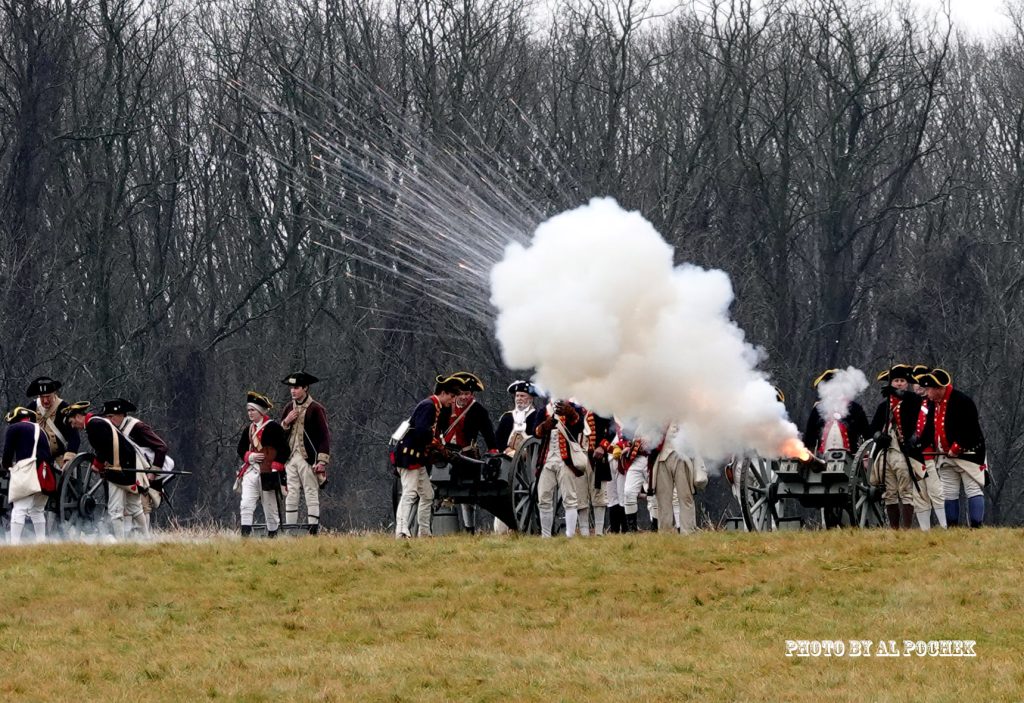
In the final days of 1776, as George Washington retreated across the Delaware River, British and Hessian forces swept into New Jersey, leaving devastation in their wake. Among the towns caught in the storm was Princeton—briefly occupied, deeply scarred, and forever changed.

Although the occupation lasted less than a month, its effects were brutal and deeply personal. Homes were ransacked, symbols of learning were defiled, and lives were upended. This was not just a military maneuver—it was an invasion that tested the loyalty, endurance, and spirit of a revolutionary town.

Princeton Under British Rule

Between December 31, 1776, and January 3, 1777, Princeton was in enemy hands. The occupying forces, which included Hessian mercenaries allied with the British crown, treated the town as conquered territory.

Civilians Caught in the Crossfire

Princeton’s citizens paid the price for revolution. Families fled or hid. Property was stolen or destroyed. Sympathizers of the patriot cause were targeted. Those trying to stay neutral found themselves distrusted by both sides. The occupation turned Princeton from a quiet college town into a battlefield of ideology, class, and survival.

Even after the British left, the town was left to pick up the pieces—homes damaged, spirits shaken, and loyalties hardened.
Destruction & Disrespect

  • John Dickinson Sergeant’s home was burned, likely as retribution for his revolutionary role drafting New Jersey’s constitution.

  • Morven, the home of Richard Stockton, was looted. The British burned his law library, personal papers, and property. He was later captured, imprisoned, and subjected to harsh conditions that destroyed his health.

  • The First Presbyterian Church—a cornerstone of the community—was desecrated and used as a horse stable.

  • Nassau Hall, the grand centerpiece of the College of New Jersey (now Princeton University), was vandalized and occupied. The British turned classrooms into barracks, defiling one of the most prestigious academic buildings in the colonies.

Aftermath: A Turning Point

Ironically, the very chaos the British left behind helped galvanize the cause they sought to crush. The cruelty of the occupation turned undecided colonists into patriots. Sympathy for the British dwindled. By the time General Washington returned to Princeton and claimed victory in the Battle of Princeton on January 3, the town had become both a symbol of resistance and a site of redemption.