Occupied Princeton

THE ROAD TO INDEPENDENCE RUNS THROUGH US

One Month. Lasting Damage.

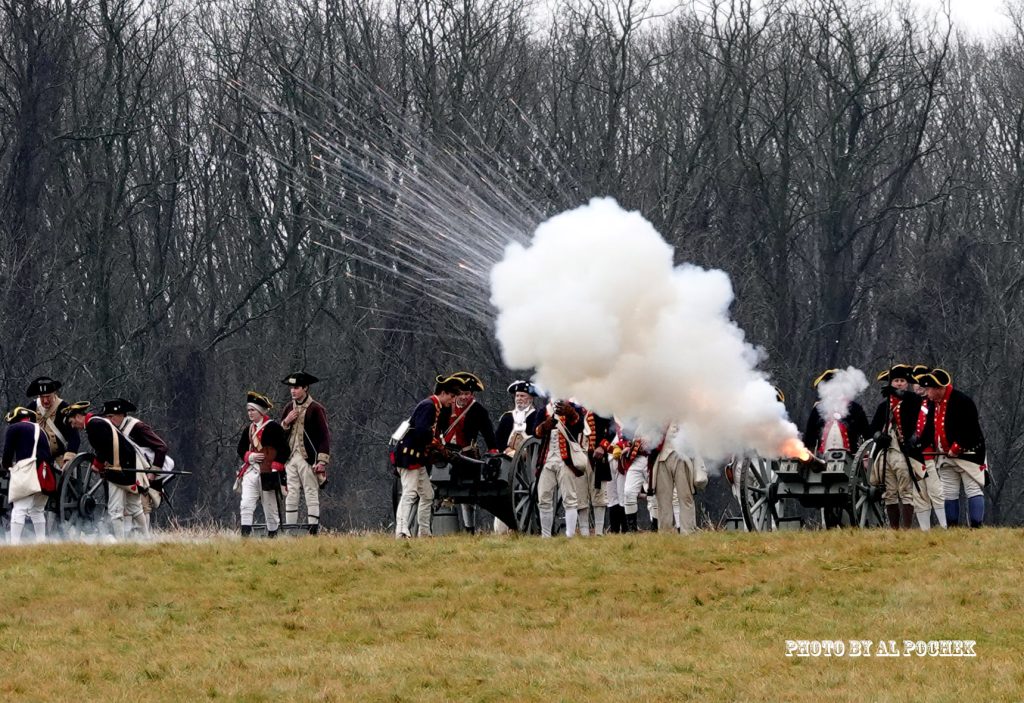
In late 1776, as George Washington and the American army retreated across New Jersey, British and Hessian forces swept after them, leaving devastation in their wake. In early December, they occupied Princeton,  a village of 60 to 80 families, and turned it into an important military base. 

Although the occupation lasted less than a month, its effects were brutal. Most residents fled, those that stayed suffered. British and Hessian soldiers looted homes and businesses and burned others. They ransacked the homes of Princeton’s two Signers of the Declaration. They defiled First Presbyterian Church and destroyed valuable books and scientific equipment at the College of New Jersey. It would take years for Princeton to recover. 

“Princeton is a deserted village. You would think it had been desolated with the plague and an earthquake.” The “calamities of war” had left “all of the inhabitants . . . plundered.”

– American Army Surgeon and Declaration Signer, Dr. Benjamin Rush, January 3, 1777

Princeton Under British Rule

Between December 7th, 1776, and January 3, 1777, Princeton was in British hands. The occupying forces, which included Hessian mercenaries allied with the British Crown, treated the town as hostile territory.

Civilians Caught in the Crossfire

Princeton’s citizens paid the price for revolution. Families fled or hid. Property was stolen or destroyed. Sympathizers of the patriot cause were targeted. Those trying to stay neutral found themselves distrusted by both sides. The occupation turned Princeton from a quiet college town into a battlefield of ideology, class, and survival.

Even after the British left, the town was left to pick up the pieces—homes damaged, spirits shaken, and loyalties hardened.
Destruction & Disrespect

  • The Hessians burned the home of Continental Congressman John Dickinson Sergeant’s brand new home. He drafted New Jersey’s new State constitution on July 2, 1776.

  • The British looted Morven, the home of Signer Richard Stockton, left it in ruins.

  • They ransacked Tusculum, the home of Signer, College of New Jersey (now Princeton University) President, and Pastor at First Presbyterian Church, Rev. John Witherspoon.

  • The British used First Presbyterian Church—a cornerstone of the community— as a horse stable and burned its pews.

  • They vandalized the College’s Nassau Hall, turned classrooms into barracks, destroyed scientific equipment and stole books.

  • No one was safe: They burned William Scudder’s mills, stole 600 of tanner James Moore’s hides, and made off with innkeeper Jacob Hyer’s featherbeds and drank up all of his liquor.

  • The Crown forces stole from the neutral Quakers and pillaged even their own loyalist supporters’ homes.

Aftermath:

It would take years for the village to recover. A return to “normal life” was interrupted by American troops quartering in town. After the battle Gen. Nathanael Greene Road wrote to Thomas Paine afterward and said, “the two late actions at Trenton and Princeton have put a very different face upon affairs.” Independence was declared Jul4, 1776. It was saved on Jan, 3, 1777. Princeton residents were willing to pay the price to preserve liberty.